Table of Contents
- Late Fall and Winter: The Prime Clearing Season
- Why Forestry Mulching Timing Matters for Your Project
- Ground Conditions and Access: How Soil Moisture Affects Land Clearing
- Land Clearing After Rain: Managing Wet Conditions
- Oak Wilt Timing for Land Work: Protecting Your Trees
- Forestry Mulching vs. Dozer Clearing: Which Method Fits Your Season
- Planning Your Clearing Project: Month-by-Month Decision Guide
- Frequently Asked Questions
Late Fall and Winter: The Prime Clearing Season
Late fall and winter offer the best land clearing timing in the Texas Hill Country. The vegetation is dormant, the ground is firmer, and your property access improves. These conditions make the work faster and more efficient. We schedule most of our forestry mulching projects between November and March for exactly this reason.
Dormant vegetation means the cedar, brush, and small trees don't actively regrow during the work. The mulch layer stays in place better. Soil moisture is lower after the dry summer months, so equipment doesn't sink or get bogged down on slopes. The Hill Country's rocky terrain becomes more workable when the ground firms up.
Winter also means fewer active insects and lower risk of disturbing nesting wildlife. The work moves faster, which directly affects your project timeline and cost structure.
Why Forestry Mulching Timing Matters for Your Project
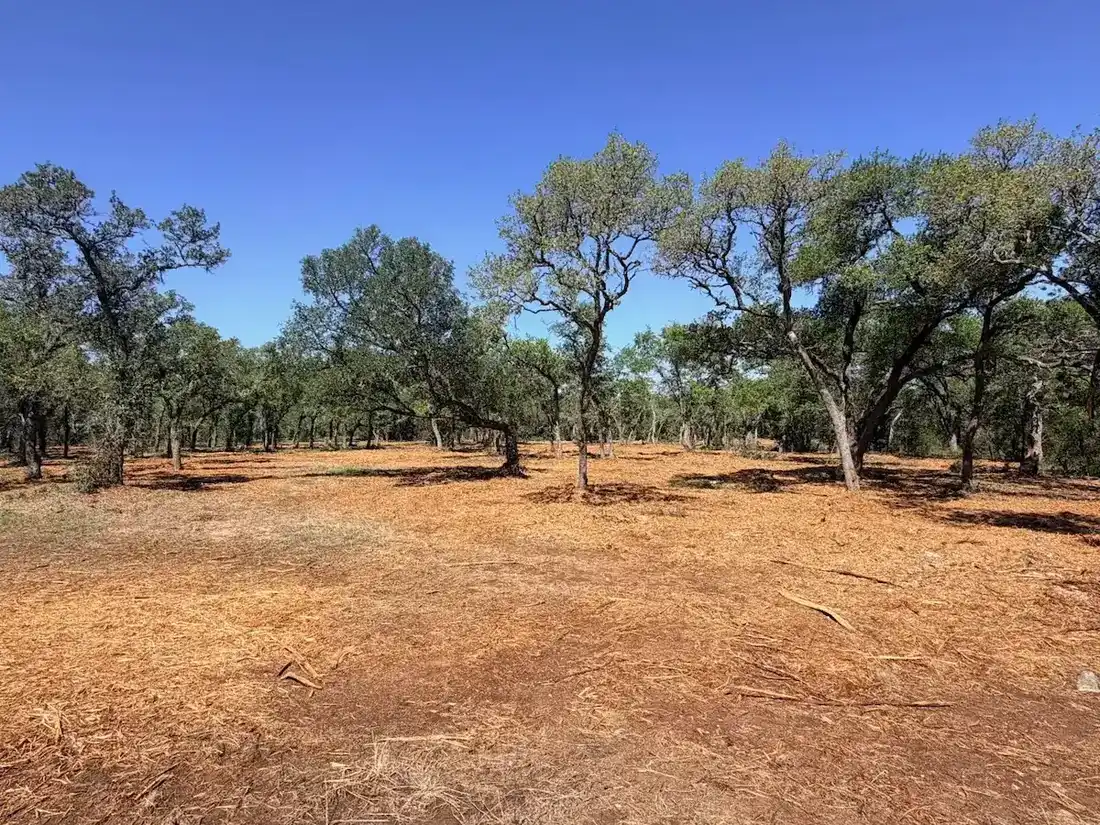
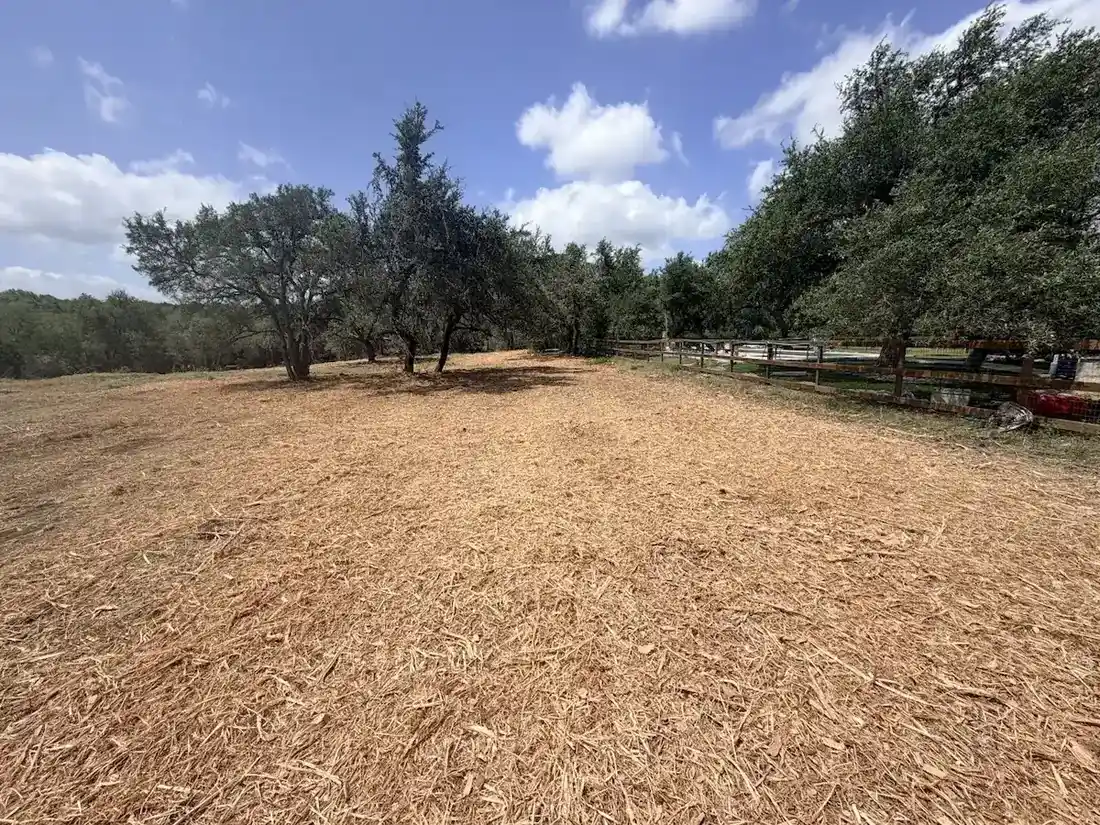
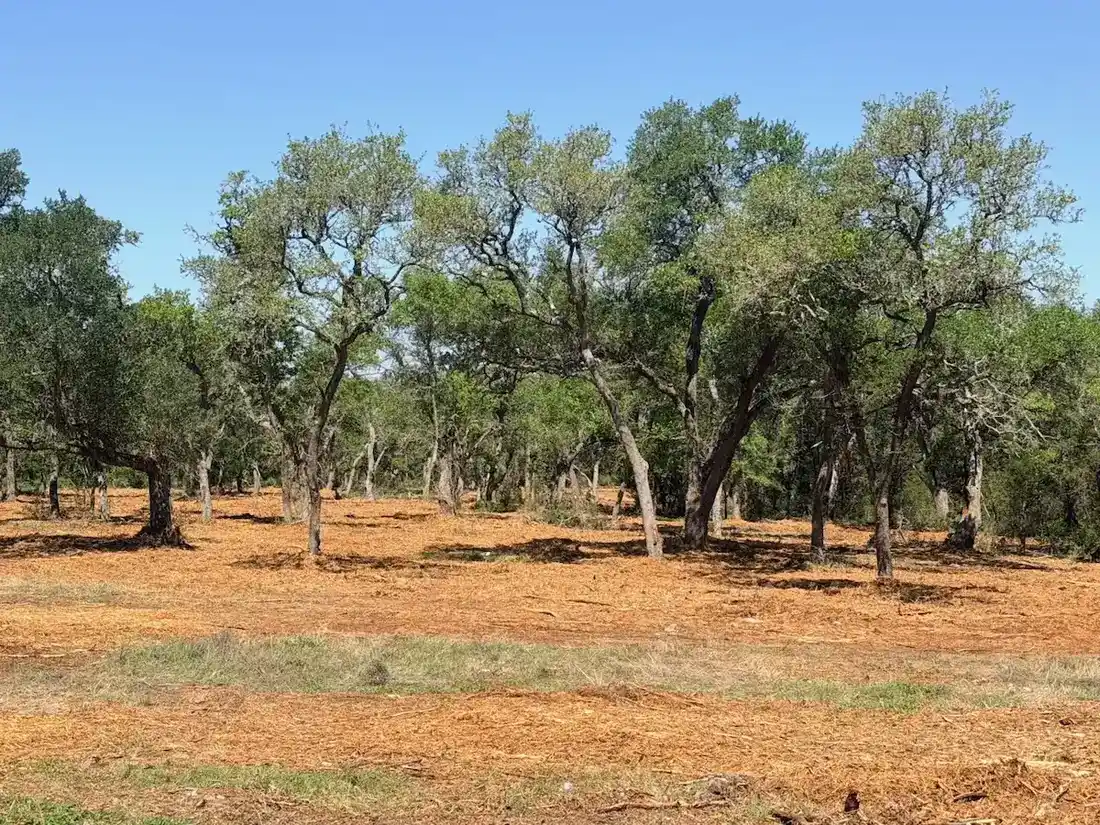
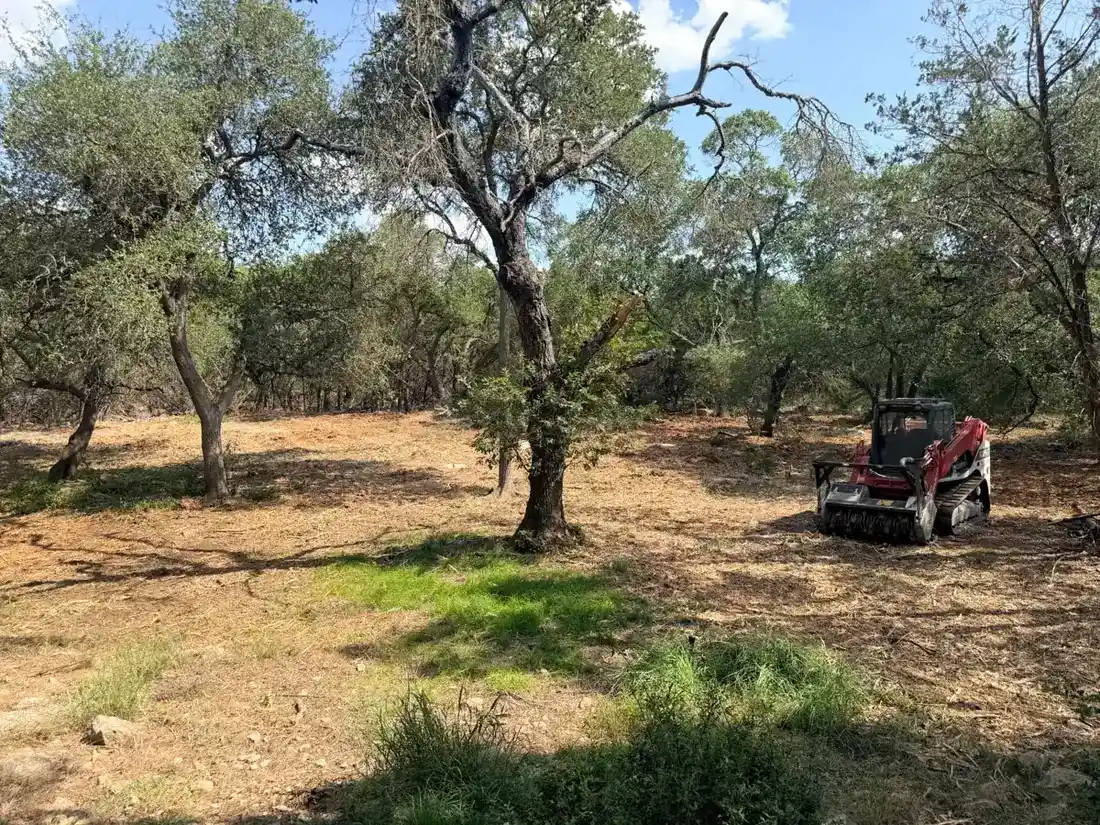
Proper land clearing timing affects how well forestry mulching works on your property. Forestry mulching grinds cedar, brush, and small trees in place into a mulch layer in one pass. No burn piles. No haul-off. The mulch protects thin, rocky soil, holds moisture, and slows regrowth.
But timing changes the equation. In wet conditions, the mulch becomes compacted and harder to spread evenly. In dry, dormant conditions, the grind is cleaner and the mulch layer sits looser on the soil. Regrowth patterns also shift by season. Cedar comes back from seed, so a maintenance pass every few years keeps regrowth small. Timing your initial clear affects how aggressively regrowth returns.
The season you choose determines whether you're clearing dense, leafy brush or dormant stems. Dormant cedar is easier to process. The machine cuts through faster. Your equipment can access steeper slopes without the added weight of moisture in the vegetation.
Ground Conditions and Access: How Soil Moisture Affects Land Clearing
Soil moisture is the biggest factor in whether your property is ready for heavy equipment. The Texas Hill Country sits on rocky, thin soil over limestone. When it's wet, that soil becomes slippery. Equipment sinks. Slopes become impassable. When it's dry, the ground firms up and the rock base supports the machinery.
Late fall through winter brings lower rainfall and drier conditions. The summer heat has baked the surface. Groundwater levels drop. This is when your property is most accessible.
Rocky terrain compounds the issue. The Hill Country's Edwards limestone and caliche layers mean your slopes are already steep and unstable in wet conditions. A few days of rain can turn a workable slope into a mud slide risk. Dry conditions let us navigate those slopes safely.
Flat ground with light brush can be cleared year-round. Dense, hilly cedar country with rocky soil needs dry conditions. Most Hill Country jobs fall into that second category. Density, slope, rock, and access are what change how fast the work goes. Moisture affects all four.
Land Clearing After Rain: Managing Wet Conditions
Rain doesn't stop land clearing, but it slows it down and changes how we work. After heavy rain, the mulch layer stays wetter longer. It compacts more easily under equipment weight. Regrowth patterns shift because moisture supports faster seed germination.
If your property gets rain during the project, we adjust our approach. We focus on higher ground first. We space equipment passes to let the soil drain. We avoid the steepest slopes until conditions improve. A one-day rain delay is common. A week of rain can add days to your timeline.
The Hill Country's limestone base drains quickly in some spots and holds water in others. We know which areas on your property drain fast and which stay boggy. That knowledge comes from years of working this terrain. We plan equipment placement and timing around your specific site conditions.
Wet conditions don't mean we can't work. It means the work takes longer and costs more because production slows. Winter rain is lighter and shorter than spring or summer storms. The ground recovers faster. That's another reason we prefer late fall and winter scheduling.
Oak Wilt Timing for Land Work: Protecting Your Trees
Oak wilt is a serious threat in the Hill Country. The disease spreads through root contact and through wounds on oak trees. We avoid wounding or pruning oaks from February through June. That's the active transmission window.
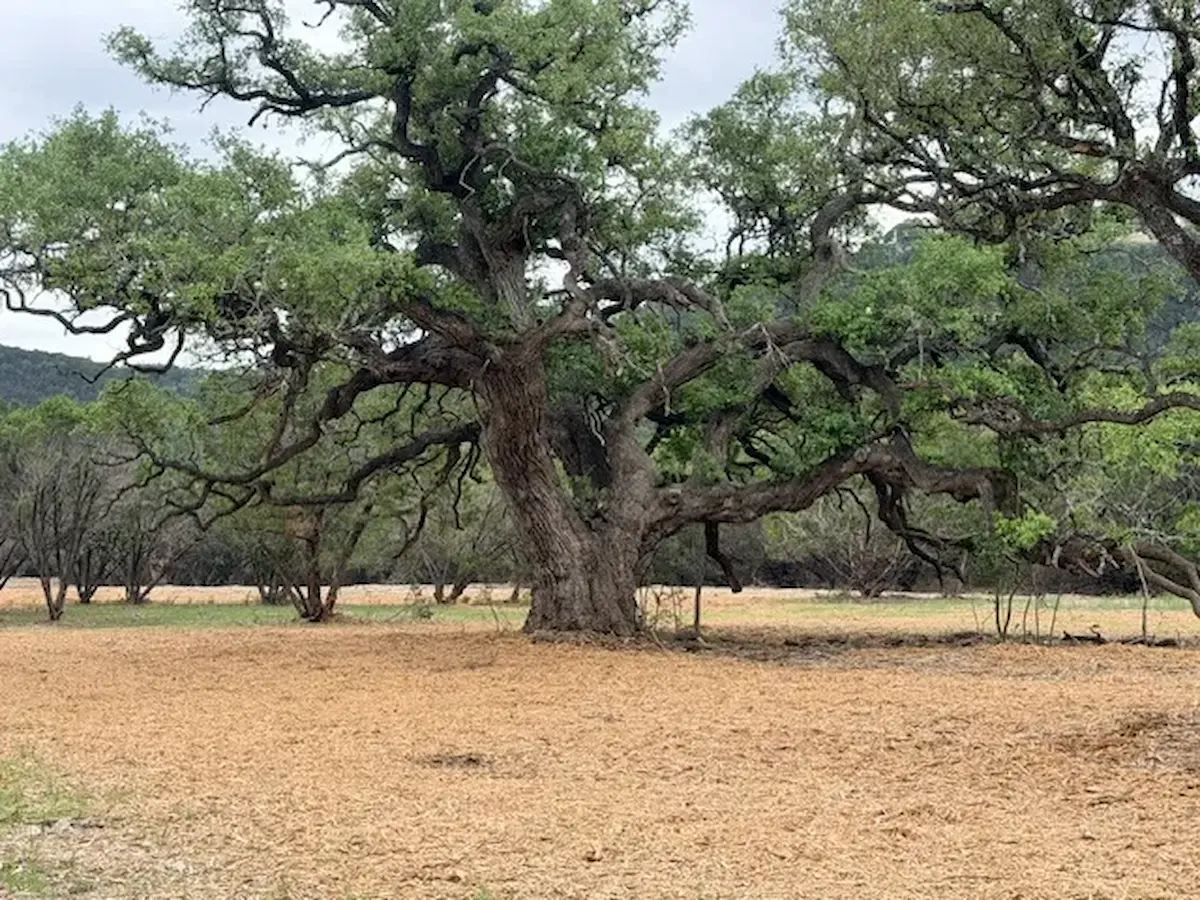
If your project involves work near oaks you want to keep, timing matters. We schedule oak-adjacent work outside the February-to-June window when possible. Selective clearing that preserves your mature oaks is central to how we work. Keeping those trees protects your property's long-term value and wildlife habitat.
Late fall and winter work avoids the high-risk months entirely. If your project must happen in spring, we take extra precautions around oaks. We keep equipment away from root zones. We avoid any cuts or wounds to the bark. We communicate the oak wilt window upfront so you understand the constraints.
This isn't a guarantee against disease. It's a practical safeguard. Some programs and insurers recognize documented brush management near oaks. Check with them about what they require.
Forestry Mulching vs. Dozer Clearing: Which Method Fits Your Season
Forestry mulching and dozer land clearing serve different purposes and respond differently to seasonal conditions.
Forestry mulching grinds vegetation in place into mulch. It works best on slopes and rocky terrain where you want to preserve soil. Dormant season (late fall through winter) is ideal because the mulch layer sits looser and spreads more evenly. The equipment can access steep slopes safely when the ground is dry.
Dozer land clearing removes stumps and roots and usually requires haul-off. It's for bare dirt work: house pads, slabs, driveways, ponds, foundations. Dozer work is less affected by season. Wet conditions still slow it down, but the equipment is heavier and handles mud better than forestry mulching machinery.
| Method | Best Season | Why | Ground Impact |
|---|---|---|---|
| Forestry Mulching | Late Fall-Winter | Dormant vegetation, firm ground, cleaner mulch layer | Mulch stays on-site, protects soil |
| Dozer Clearing | Year-Round (Late Fall-Winter Preferred) | Firm ground speeds work, winter weather is milder | Bare dirt, requires haul-off, compacted |
Choose forestry mulching if you're clearing brush and cedar on slopes and want to keep the mulch. Choose dozer clearing if you need bare dirt for building or grading. Timing affects both, but it's most critical for forestry mulching on rocky, steep terrain.
Planning Your Clearing Project: Month-by-Month Decision Guide
Timing depends on your project goal, terrain, and how Hill Country weather and vegetation cycles affect your work. Here's how to think through the decision for your specific situation.
November through January: Peak Season
Ground is dry and firm. Vegetation is fully dormant. Equipment access is best on slopes and rocky terrain. This is when we schedule the majority of our work. Projects run fastest and most efficiently. Forestry mulching produces the cleanest mulch layer. Dozer work moves without bogging down. If you're clearing for wildfire mitigation or defensible space, this window is ideal. If you're preparing a build site, winter work gives you bare ground faster and more reliably.
February through March: Secondary Good Season
Ground is usually still dry enough. Vegetation remains dormant. Oak wilt season begins in February, so avoid any work that wounds oaks. If your project involves selective clearing around mature oaks you want to keep, schedule it now or wait until late fall. Otherwise, conditions are still favorable. Projects take slightly longer than midwinter, but not significantly.
April through May: Spring Growth and Risk
Spring rains increase soil moisture. Vegetation leafs out and becomes heavier. Cedar and brush are actively growing. Equipment access on slopes becomes limited. Oak wilt transmission risk is high, do not wound oaks during this window. Projects take longer than winter work. Regrowth after clearing is aggressive because moisture supports seed germination. If you must clear in spring, plan for extended timelines and budget accordingly. Forestry mulching still works, but the mulch layer will be wetter and more compacted.
June through August: Slowest Season
Summer heat and afternoon thunderstorms create wet, boggy conditions. Brush is thick and heavy with moisture. Cedar resprouts quickly. Regrowth is most aggressive. Equipment access on steep terrain is severely limited. Ground can be impassable for days after storms. This is our slowest season for production. Most landowners avoid summer clearing unless there's an urgent reason. If you're managing cedar on pasture or acreage mowing, any season works, but expect the slowest pace here.
September through October: Fall Transition
Ground begins to dry after summer rains. Vegetation starts dormancy. This is a secondary good season, though not as ideal as winter. Cedar and brush are still somewhat leafy. Equipment access improves as the month progresses. Projects take longer than midwinter but faster than spring or summer. If you're planning a winter project, fall is a good time to get on our schedule.
Project-Specific Timing
Wildfire mitigation and defensible space: Late fall through winter. Dry conditions and dormant vegetation make the work faster and more effective.
Build site preparation: Winter. You need bare ground, and winter gives you the most reliable, fastest results.
Cedar and brush management on pasture: Any season works, but winter is most efficient. Summer work is slowest.
Selective clearing around oaks: Late fall through winter, or late June through January. Avoid February through June entirely.
Right-of-way or easement clearing: Late fall through winter preferred, but can be scheduled year-round if access and terrain permit.
Getting Your Timing Right
Contact us with your project details and photos. Tell us what you're trying to accomplish, building, pasture management, wildfire mitigation, or cedar removal. Describe your terrain: flat, rolling, steep, rocky. We'll assess your property's specific conditions and recommend the best window for your work. An owner walks your property before any contract is signed so we understand your drainage, slope, vegetation density, and goals. We typically reply to quote requests within minutes.
Frequently Asked Questions
When is the best time of year to clear land in the Texas Hill Country?
Late fall through winter (November through February) is ideal for land clearing in the Texas Hill Country. Vegetation is dormant, ground conditions are typically firmer, and equipment access is easier. Spring and summer bring active growth and wet conditions that slow work and damage soil. The exact timing depends on rainfall and your specific terrain, so a site visit helps determine the best window for your property.
How does wet weather affect land clearing and forestry mulching timing?
Wet ground makes equipment sink, damages soil structure, and slows or stops work. After heavy rain, the Hill Country's rocky, clay-heavy soil holds moisture for days or weeks. Forestry mulching can proceed sooner after rain than dozer work because the lighter equipment has less ground impact, but dry conditions are still preferable. Spring and early summer rains make scheduling unpredictable; winter and late fall offer more reliable dry windows.
Why should I avoid land work during oak wilt season?
Oak wilt spreads through wounds on oak trees from February through June. Any cutting, pruning, or equipment work near oaks during this window risks infection and tree death. We schedule clearing projects around oaks carefully and avoid this season entirely for oak-adjacent work. If your property has heritage oaks you want to preserve, winter clearing (before February) or late summer work keeps them safe while protecting your trees.
What is the difference between forestry mulching and dozer clearing, and does timing affect which one I should choose?
Forestry mulching grinds cedar, brush, and small trees in place into mulch in one pass, no hauling, no burn piles. Dozer clearing removes stumps and roots and creates bare dirt for building pads or site prep, usually requiring haul-off. Forestry mulching works better on wet ground because the equipment is lighter and leaves soil intact. Dozer work needs firmer, drier conditions. Timing depends on your goal: defensible space or pasture recovery favors mulching; building pads or major site prep favor dozer work in dry conditions.