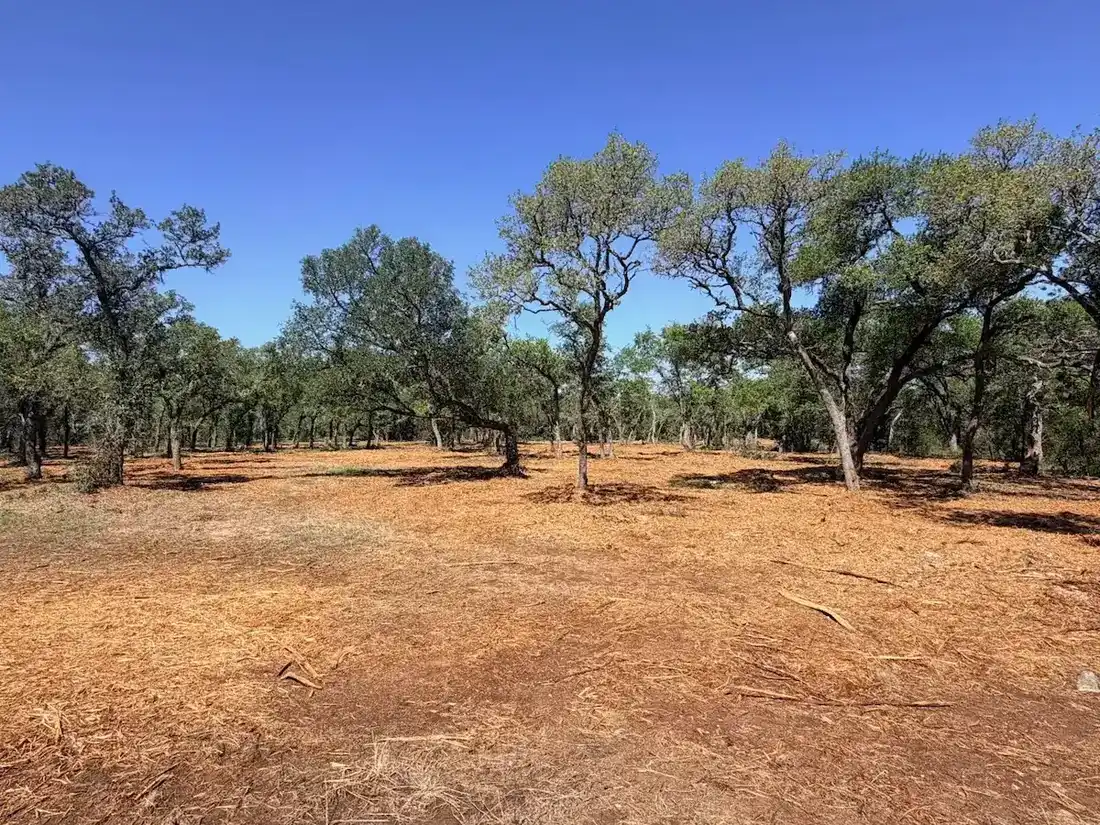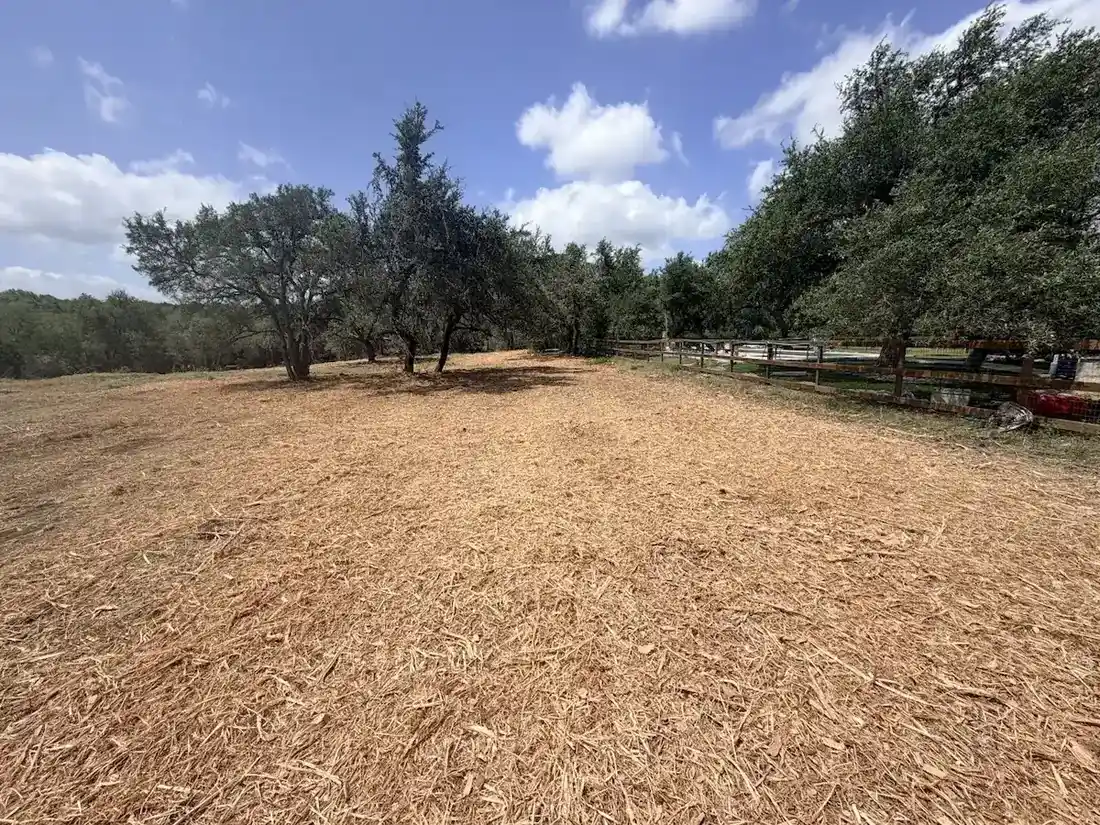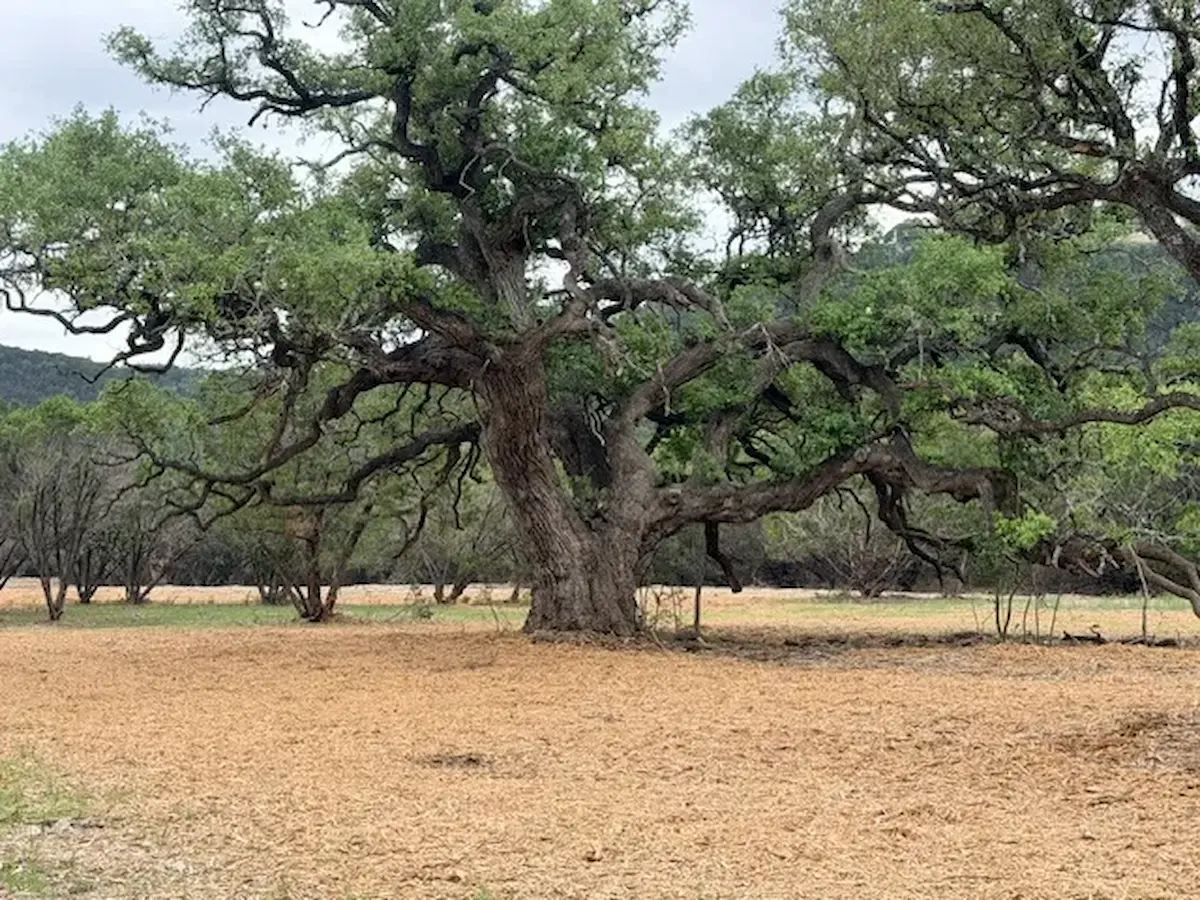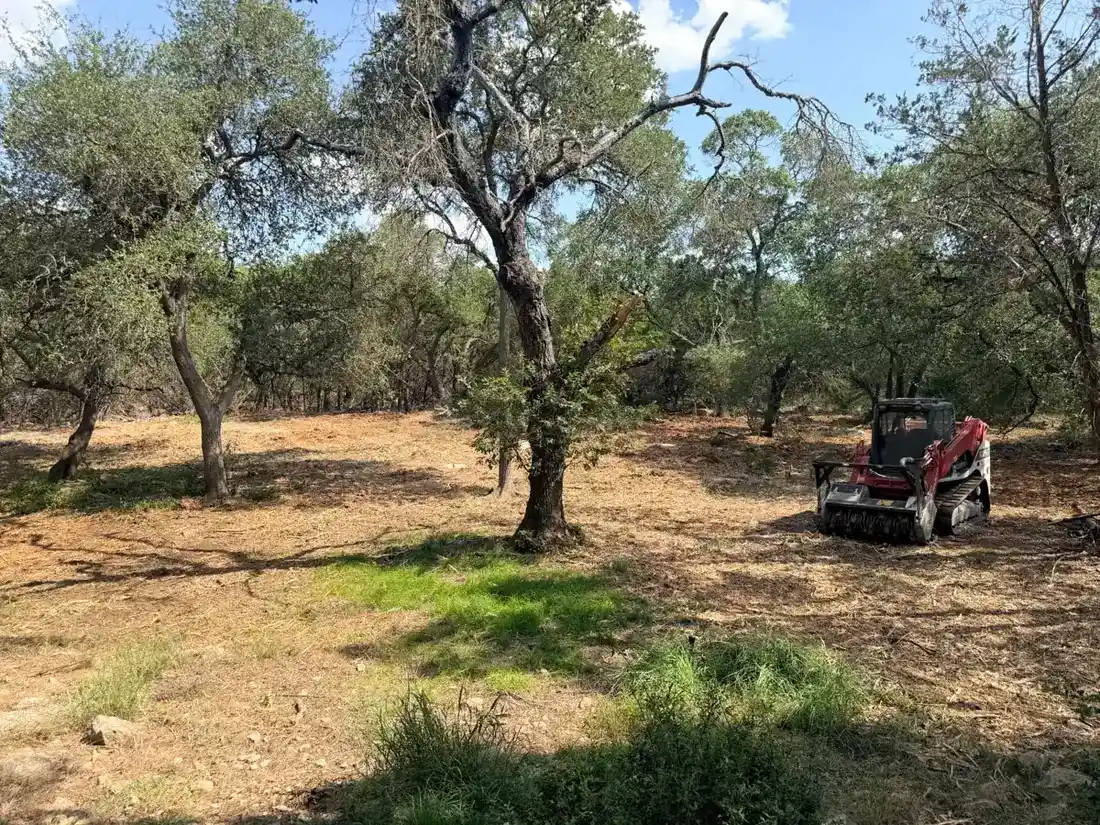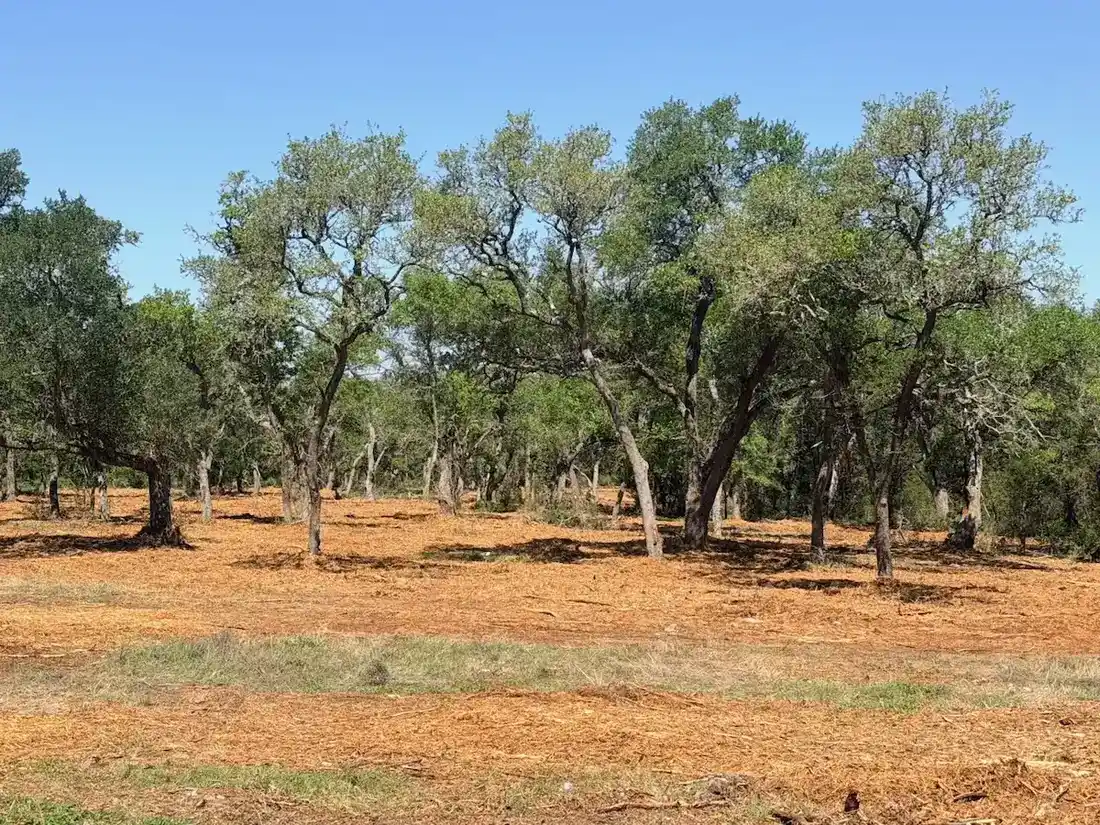
What Drives the Cost of Clearing Cedar Brush per Acre
The cost of clearing cedar brush per acre depends on four things: brush density, terrain and access, the clearing method, and how much cleanup you want.
Cedar is the variable that surprises people most. A pasture dotted with young seedlings is a very different job from a hillside packed with dense multi-stem thickets. The time on the machine and the amount of material to process both change with it.
The Four Cost Drivers That Matter Most
1. Vegetation density. Light brush clears fast. Heavy multi-stem cedar does not.
2. Terrain and access. Steep slopes, rock outcrops and narrow gates slow equipment down and add hours.
3. Clearing method. Forestry mulching and dozer clearing use different equipment and leave the land in very different shape.
4. Cleanup and haul-off. Leaving mulch on site costs less. Hauling debris off adds trucking, labor and disposal.
A common mistake is comparing quotes without checking which of these four each one actually covers.
How Legacy Oak Prices Cedar Clearing
Forestry mulching runs $2,300 per day. What changes the per-acre cost is how much ground the machine can cover in a day, and density and terrain decide that.
Conditions | What it looks like | Ground covered per day |
|---|---|---|
Light | Scattered young cedar, flat open ground, easy access | Up to about 3 acres |
Moderate | Mixed cedar and underbrush, some multi-stem clusters, some slope or rock | In between |
Heavy | Dense thickets, large multi-stem cedar, rocky hillsides, tight access | About half an acre |
Most Hill Country jobs fall in the heavy column. Light brush on open ground goes much faster, so it costs far less per acre.
What Pushes a Job Toward the Slow End
- Slope. Steep ground means slower, more careful passes.
- Rock. Surface rock and outcrops slow travel and wear equipment.
- Access. Narrow gates, fences, low limbs and soft ground add maneuvering time.
- Stem size. A large multi-stem cedar takes far longer to grind than a young one, and working around oaks you want to keep takes care.
Two Five-Acre Properties, Same County
Property A: open pasture, scattered young cedar, gentle slope, easy access. About 2 days of machine time.
Property B: rocky hillside, dense multi-stem cedar, steep slope, tight access. About 10 days of machine time.
Same acreage, five times the machine time, and five times the cost. That's why an honest quote starts with what's actually growing on your land, not the acreage alone.
Get a Free Quote Today →
Forestry Mulching vs. Dozer Clearing
These are the two main ways to clear cedar, and they leave your land in very different shape.
Forestry mulching | Dozer clearing | |
|---|---|---|
What's left behind | Mulch layer on the ground | Bare dirt |
Debris | Ground up on site, nothing to haul | Piled, then burned or hauled off |
Stumps and roots | Ground to ground level; roots stay | Pushed out, roots and all |
Soil and erosion | Mulch protects the soil | Exposed soil can wash on slopes |
Trees you want to keep | Easy to work around oaks | Harder to work around selectively |
Best for | Pasture, wildfire fuel reduction, restoring land | Building pads, roads, foundations |
For most cedar jobs, forestry mulching is the better fit. Cedar doesn't resprout from the stump once it's cut below the green, so grinding it to ground level does the job. You skip burn piles and haul-off, and the mulch helps hold soil and moisture.
Dozer clearing makes sense when you need bare ground: a house pad, a driveway, a foundation. It's priced per job after a site visit.
Either way, cedar comes back from seed. Texas A&M AgriLife Extension's Brush Busters program treats brush control as ongoing land management, not a one-time event. Plan on follow-up work every few years to keep regrowth small and cheap.
How to Build a Rough Estimate, Step by Step
You can size up a cedar job in an afternoon before you call anyone:
- Walk the property and map the cedar. Note where it's light, moderate and heavy.
- Measure the acreage you actually want cleared, not the whole tract.
- Note terrain and access: slopes, rock, gates and fences.
- Decide your goal. Pasture, defensible space and a building pad each point to a different method.
- Choose a method using the comparison table above.
- List what stays. Mark the oaks and other trees you want to keep.
The goal isn't to guess the exact price. It's to understand the job well enough to spot a quote that's missing something.
Questions to Ask Before You Hire
- What conditions did you price: density, slope, access?
- Is stump grinding included?
- Is debris left as mulch or hauled off?
- Which trees are staying, and how will you work around them?
- Is the price agreed in writing before work starts?
Key takeaway: the best quote isn't the lowest number. It's the one that clearly states the conditions, the method and what's included, so there are no surprises when the work is done.
Small Cedar Control and Selective Clearing
Clearing young cedar regrowth costs far less than clearing a mature stand, because the machine moves through it quickly. Catching cedar while it's small is the cheapest clearing you'll ever do.
Selective clearing targets cedar and underbrush while leaving the trees you want. It works well for:
- Homeowners creating defensible space around a house
- Ranchers managing regrowth between larger clearing projects
- Properties with oaks or other trees worth keeping
- HOAs that need brush management within community guidelines
If wildfire risk is your main concern, focus on fuel near structures first. The National Fire Protection Association's wildfire preparedness guidance explains how defensible space reduces risk around homes.
Conclusion
The cost of clearing cedar brush per acre comes down to density, terrain, method and cleanup, and in the Hill Country, density and terrain usually decide it.
At Legacy Oak Land Clearing, forestry mulching runs $2,300 a day, and the price is agreed before work starts. Submit your project details and a few photos for a free quote. An owner walks your property before you sign anything.
Get a Free Quote Today
Frequently Asked Questions
How much does it cost to clear cedar brush per acre?
There's no single per-acre number, because density and terrain change how fast the work goes. Legacy Oak prices forestry mulching at $2,300 a day, and dense cedar on rocky, hilly ground typically clears at about half an acre a day. Light brush on flat, open ground goes much faster and costs far less per acre. Your actual price depends on density, slope, rock and access.
Is forestry mulching cheaper than dozer clearing?
Yes. The machine grinds everything on site, so there's no haul-off, no burn piles and no debris trucking. Dozer clearing makes more sense when you need bare ground for a building pad, road or foundation.
Does forestry mulching remove cedar stumps?
A forestry mulcher grinds cedar down to ground level and leaves the roots in place. That works for pasture, wildfire fuel reduction and defensible space, and cedar won't resprout from a stump cut below the green. If you need stumps and roots fully removed for construction, that's dozer work and should be itemized in your quote.
Can cedar brush be cleared without hauling away debris?
Yes. Mulching on site is the standard approach for cedar. The machine turns trees and brush into a mulch layer that breaks down naturally, avoiding haul-off charges. For wildfire mitigation, a thin layer is fine, but deep piles of fresh mulch should be spread out so they don't become a fuel source of their own.