Table of Contents
- Why Cedar Invades Pasture and What It Costs You
- Forestry Mulching Cedar: Grinding in Place
- Dozer Clearing Cedar Roots and Stumps
- Selective Cedar Clearing Around Oak Trees
- Cedar Regrowth After Cutting: Prevention and Timing
- Restoring Your Pasture After Cedar Clearing
- Getting Your Cedar Clearing Project Started
- Frequently Asked Questions
Last Updated: October 11, 2026
Why Cedar Invades Pasture and What It Costs You
Eastern red cedar spreads into pastures because it thrives in the Texas Hill Country and livestock won't eat it. To clear invasive cedar pasture is one of the most direct ways to reclaim usable land and restore grazing capacity on your property.
Cedar encroachment happens fast. A pasture can shift from open grassland to dense cedar thicket in just a few years if left unchecked. The trees compete for moisture and nutrients. They create shade that prevents grass from growing.
The cost of doing nothing adds up. Every year of cedar growth means less pasture for livestock, lower forage production, and higher wildfire risk. The longer you wait, the more dense and difficult the cedar becomes to remove.
Forestry Mulching Cedar: Grinding in Place
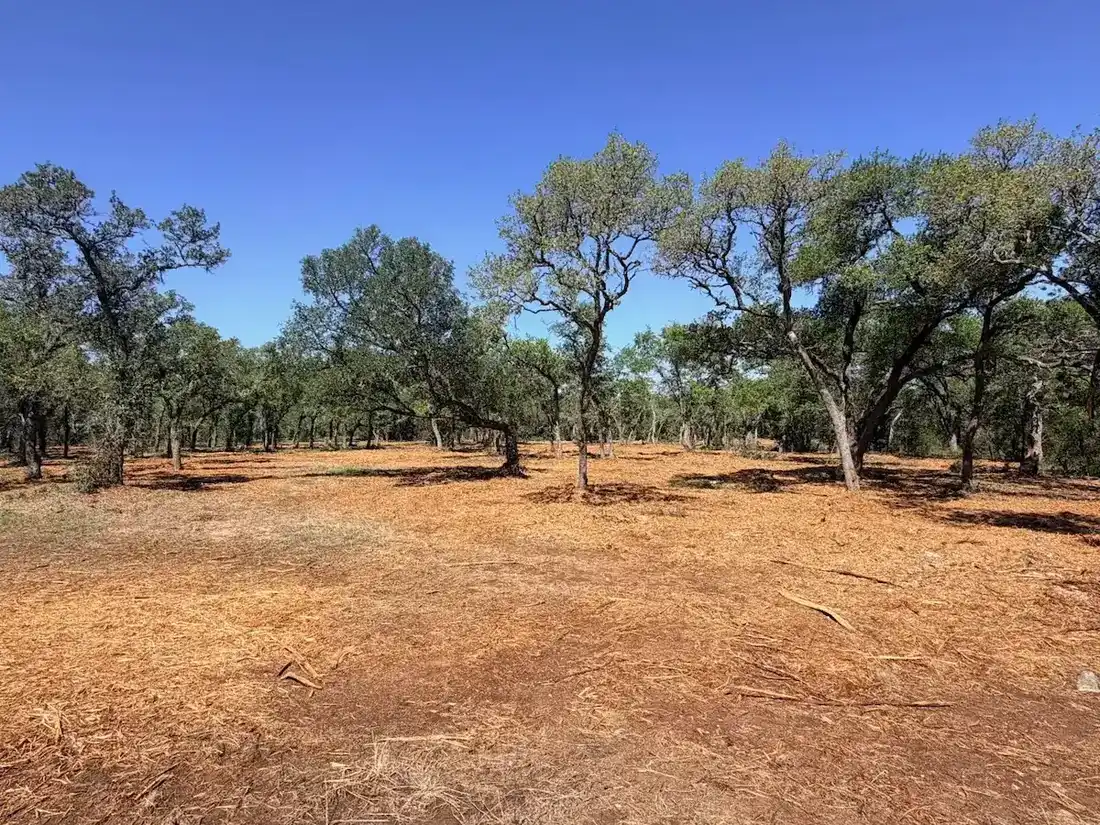
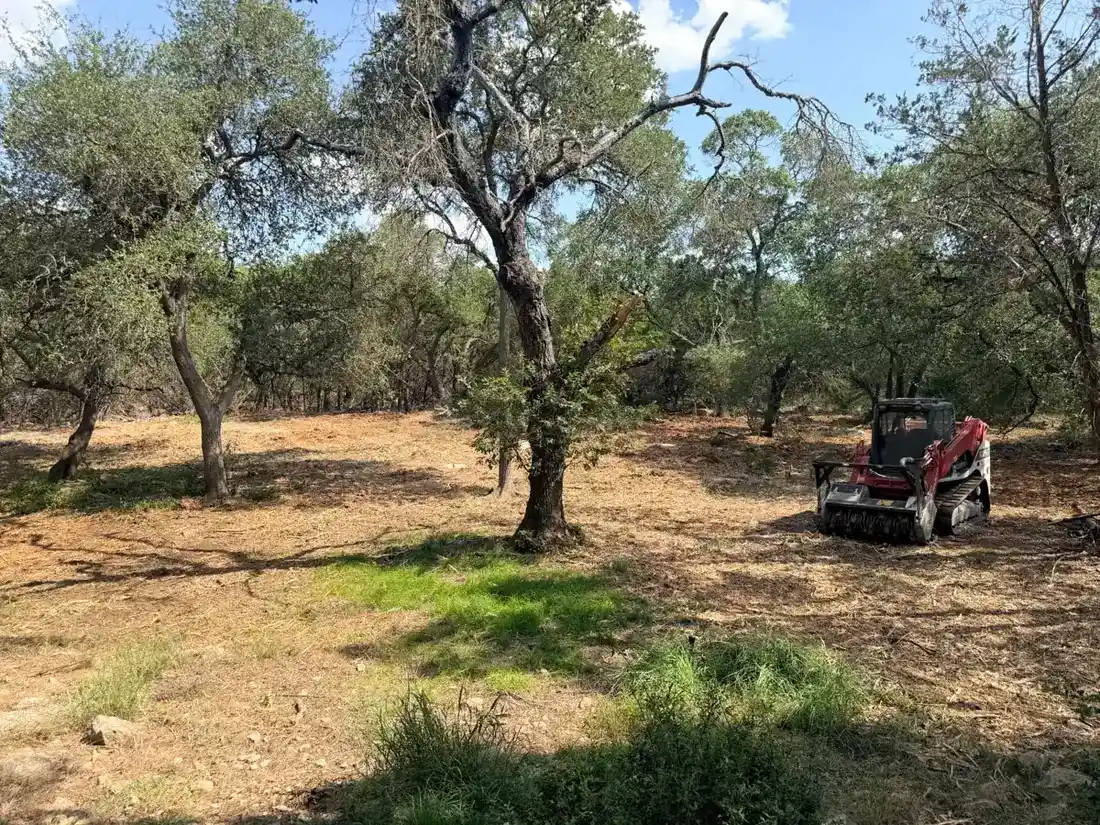
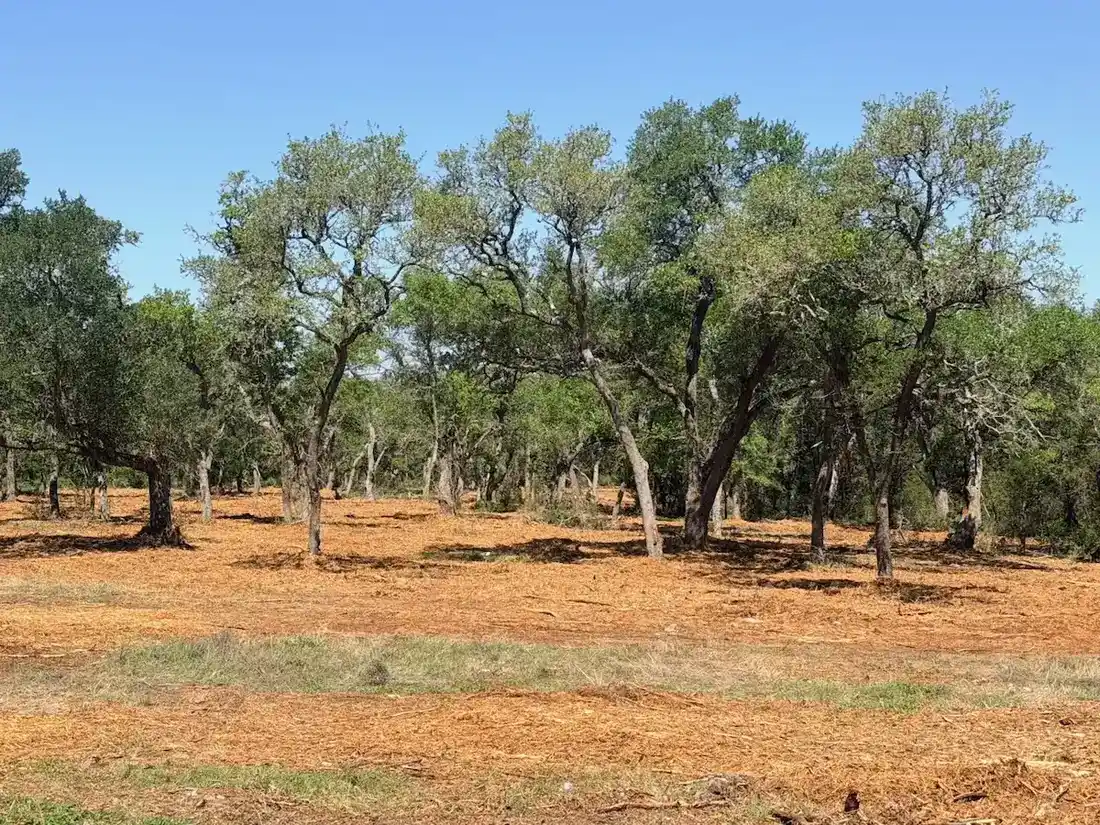
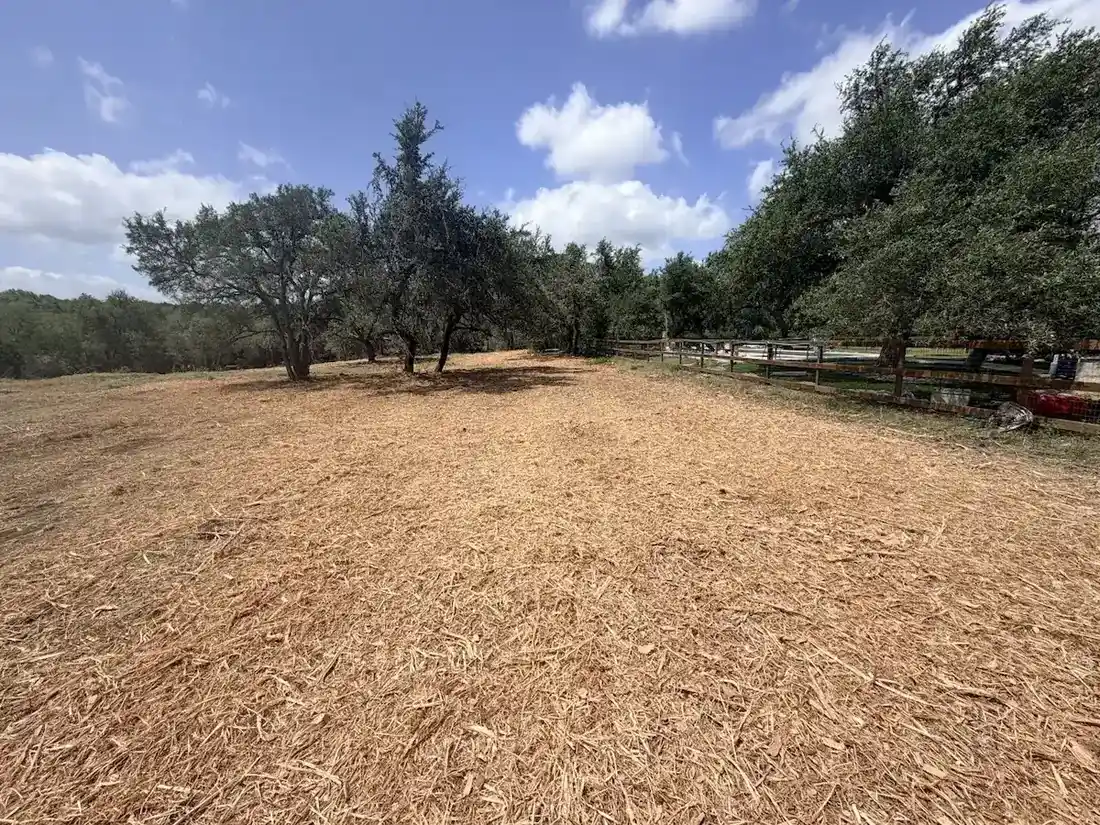
Forestry mulching is the fastest way to clear invasive cedar pasture. A forestry mulching machine grinds cedar, brush, and small trees in place into a mulch layer in a single pass. No burn piles. No haul-off. The mulch stays on the ground, protecting thin, rocky soil and slowing regrowth.
How forestry mulching works on cedar
The machine uses a rotating drum with carbide or chisel style teeth to grind standing cedar into small chips and mulch. The process is fast and efficient. In one pass, the equipment clears trees, brush, and woody debris while leaving the mulch layer in place to decompose naturally.
Forestry mulching works well on cedar because the trees are relatively soft compared to hardwoods like oak. The grinding action breaks down the wood quickly. The mulch layer acts as a natural barrier that slows new cedar seed from germinating, reducing regrowth over the next several years.
Production rates and terrain impact
On typical dense, rocky, hilly Hill Country cedar, expect about half an acre per day. On flatter ground with lighter brush, production can reach up to 3 acres per day. Most Hill Country jobs move at the slower pace because of density, slope, and rocky terrain.
Terrain matters most. Steep slopes slow the machine. Rock outcrops force the operator to work around them carefully. Dense cedar thickets require more grinding passes. All of these factors extend the time needed to complete your project.
Forestry mulching runs $2,300 per day. The day rate applies whether you finish half an acre or three acres. Your actual project cost depends on how much ground needs clearing and how difficult the terrain is. We'll walk your property and give you a clear estimate before any work starts.
Dozer Clearing Cedar Roots and Stumps
Dozer clearing removes cedar roots, stumps, and soil down to bare dirt. This method is necessary when you need a clean pad for building, a driveway, or a foundation. It's different from forestry mulching because it strips the site completely.
When dozer work makes sense
Use dozer clearing when you need bare dirt for construction. The equipment pushes trees, stumps, and root systems into piles for haul-off. Dozer work prepares the ground for house pads, slabs, driveways, and other structures.
For pasture restoration alone, dozer clearing is overkill. Forestry mulching accomplishes more with less disturbance. But if your project includes both cedar removal and site prep for building, dozer work handles both jobs at once.
Root removal and soil preparation
Dozer clearing removes the entire root system. This prevents regrowth from the stump. The machine also moves soil, levels terrain, and prepares the ground for whatever comes next.
The trade-off is soil disruption. Dozer work disturbs the ground more than forestry mulching. If you want to preserve soil structure and keep the mulch layer in place, forestry mulching is the better choice. If you need bare dirt, dozer work is necessary.
Selective Cedar Clearing Around Oak Trees
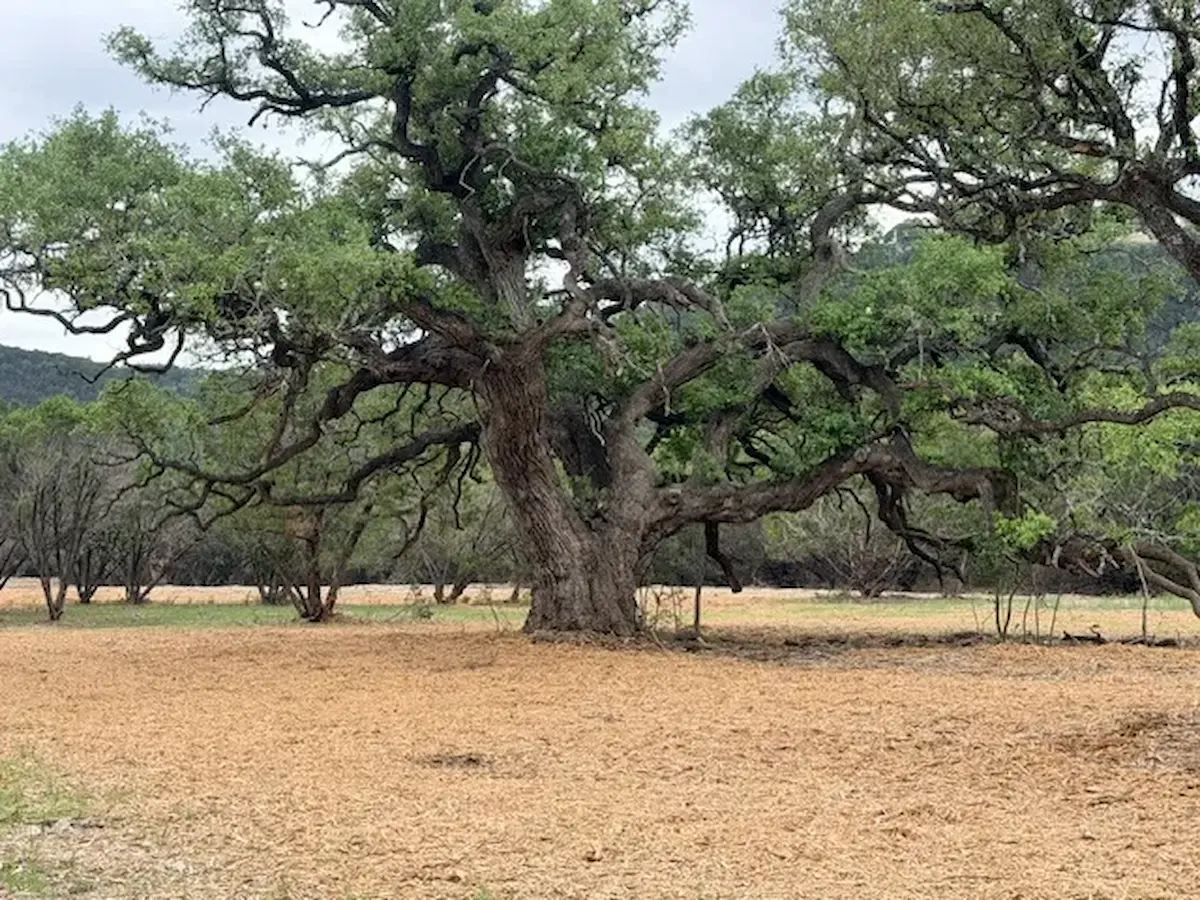
Keeping mature oaks is central to how we work. When you want to clear cedar but preserve heritage trees, selective clearing protects the oaks while removing the invasive cedar around them.
Selective clearing requires careful equipment operation and planning. We identify which trees you want to keep before work starts. The crew works around those trees, clearing cedar and brush while leaving oaks standing.
Oak wilt is a real concern in the Texas Hill Country. We avoid wounding or pruning oaks from February through June, when the disease spreads most easily.
Many Hill Country landowners have heritage oaks that define their property. Selective clearing lets you restore pasture without losing those trees. It takes more time than clearing everything, but the result is worth it.
Cedar Regrowth After Cutting: Prevention and Timing
Why cedar comes back and how to stop it
Cedar does not resprout from the stump once it's cut below the green. New cedar comes back from seed. That's why you see regrowth a few years after clearing. The seeds blow in from surrounding cedar trees and germinate in the disturbed soil.
The mulch layer from forestry mulching slows this regrowth significantly. It blocks sunlight and keeps the soil cooler, making it harder for new cedar seeds to take root. Without the mulch, regrowth happens faster.
Maintenance schedules and follow-up work
Plan for a maintenance pass every few years to keep regrowth small. Catching young cedar seedlings early is much faster and cheaper than letting them grow into mature trees.
Most landowners schedule a follow-up clearing 3-5 years after the initial work. By then, some regrowth has occurred, but the trees are still small. A quick pass with the forestry mulching machine removes them before they become a problem again.
This cycle repeats until cedar seed sources nearby are eliminated or the land use changes. It's not a one-time fix, but it's a manageable maintenance schedule that keeps your pasture open and productive.
Restoring Your Pasture After Cedar Clearing
Clearing cedar is only half the job. What you do in the months after clearing determines how fast your pasture recovers and how productive it becomes. A clear restoration plan keeps the reclaimed land productive and prevents weeds from taking over.
Assess soil and plan for recovery
After forestry mulching, the mulch layer protects the soil and holds moisture. Before you turn livestock back into the cleared area, walk the ground and look at what you have. Rocky, thin soil will recover more slowly than deep, fertile ground. Areas with good existing grass seed will green up faster than bare patches.
If the cleared area is mostly bare soil with little existing vegetation, overseeding with native or adapted pasture species speeds recovery. If native grasses are already present, they often recover on their own once cedar is gone and sunlight reaches the ground.
Common Hill Country pasture species include little bluestem, sideoats grama, and Texas bluegrass. A local forage specialist or your county extension office can recommend species suited to your soil type and rainfall.
Give reclaimed pasture a rest period
Don't overgraze newly cleared pasture in the first year. Young grass needs time to establish deep roots and build strength. Heavy grazing pressure in the first growing season sets back recovery and invites weeds.
A typical rest period is 60-90 days after clearing before you introduce livestock. This gives grass time to germinate and establish. If you overseed, follow the seed label for grazing delay, most recommend waiting until plants are 4-6 inches tall.
After that initial rest, light grazing is fine. Rotate livestock to avoid overuse of the newly cleared area. Alternating grazing and rest periods throughout the year keeps the pasture healthy and productive.
Monitor for regrowth and seedlings
Young cedar seedlings will appear in the cleared area over the next few years. Catch them early, seedlings under 2 feet tall are easy to pull by hand or remove with a quick pass of a brush hog. Waiting until they're 5-10 feet tall means a full forestry mulching pass again.
Most landowners schedule a maintenance clearing 3-5 years after the initial work. By then, some regrowth has occurred, but the trees are still small. A quick pass removes them before they become a problem.
The mulch layer from forestry mulching slows this regrowth significantly compared to other removal methods. It blocks sunlight and keeps soil cooler, making it harder for cedar seeds to germinate.
Measure your results
Track the changes in your pasture to see how well the restoration is working:
- Reclaimed acreage: Measure or estimate the square footage of cleared ground. Compare it to the cedar coverage before work.
- Grass cover: Walk the area and note how much green grass is visible compared to bare soil or weeds.
- Forage availability: If you track grazing days or livestock weight gain, you'll see improvement as grass production increases. More grass means longer grazing periods or more animals supported.
- Cedar regrowth: Note where seedlings appear and how fast they grow. This tells you whether your maintenance schedule is working or needs adjustment.
Funding pasture restoration
If you're an eligible landowner, cost-share programs can offset clearing and restoration costs. The Texas A&M Forest Service MFR grant and NRCS EQIP (Practice 314, brush management) both support cedar removal and pasture improvement. Check our Grants page for details and eligibility.
Getting Your Cedar Clearing Project Started
The first step is a free quote. Click "Get a Free Quote Today" and submit your project details and a few photos. Tell us about the cedar coverage, terrain, and what you want to accomplish.
We typically reply within minutes. If your project is a good fit for forestry mulching or selective clearing, an owner will walk your property before any contract is signed.
Pricing is straightforward. Forestry mulching runs $2,300 per day. You can choose a project price or pay the day rate. Either way, the price is agreed before work starts. No surprises.
For dozer work, land clearing, rock grinding, and other services, we quote per job based on the scope. Call or text (512) 641-5658 if you have questions about your specific project.
Frequently Asked Questions
What happens to cedar after it is cut?
Cedar does not resprout from the stump once it's cut below the green. New cedar comes back from seed, so a maintenance pass every few years keeps regrowth small. The mulch layer left behind after forestry mulching slows seedling establishment and protects soil, reducing how fast cedar seedlings take hold.
Is forestry mulching or dozer clearing better for cedar in pasture?
Forestry mulching works best for cedar thickets and slopes because it grinds trees in place into mulch, protects thin rocky soil, and requires no haul-off. Dozer clearing removes stumps and roots completely, which is better for bare dirt work like house pads. For pasture restoration, forestry mulching is usually the faster, more efficient choice.
How often should a pasture be checked for cedar regrowth?
Check your pasture annually for new cedar seedlings, especially in the first two years after clearing. A maintenance pass every few years keeps regrowth small and manageable. The timing depends on seed production in nearby cedar and how quickly seedlings establish on your specific property.
Why do ranchers clear cedar from pasture?
Cedar invasion reduces forage production, limits usable acreage for grazing, and increases wildfire risk by building fuel load. Clearing cedar reclaims productive pastureland, improves water availability for livestock, and creates defensible space around ranch structures. It's a core part of land management for ranches in the Texas Hill Country.
Clearing invasive cedar from pasture restores grazing land and reduces wildfire risk on your property. Whether you choose forestry mulching for its efficiency or selective clearing to preserve heritage oaks, the sooner you start, the sooner you reclaim usable acreage. Legacy Oak Land Clearing has the equipment and experience to handle cedar removal on any terrain in the Texas Hill Country. Get a Free Quote Today and let us show you what's possible on your land.