Protect Your Property

Wildfire Mitigation Texas Hill Country

Realistic AI preview with every quote. Brush and overgrowth cleared to protect what matters.

  • Hill Country drought + dense cedar = real wildfire risk — strategic brush removal creates a defensible buffer that can save your property.
  • Wildfire fuel reduction across the Texas Hill Country — removing undergrowth, dead cedar, and ladder fuels.
  • FIREWISE® approach: clear combustible vegetation in critical zones while preserving fire-resistant hardwoods like live oaks.

Submit photos, and we will reply with a realistic AI preview of your property with defensible space cleared back around the home and structures — Click 'Get a Free Quote Today' to upload photos and project details.

Prefer an in-person visit? Schedule a free site visit with an owner.

Why Wildfire Mitigation Matters

Reduce Fire Risk

Removing cedar, dead brush, and ladder fuels dramatically reduces the chance of a wildfire reaching your home.

Insurance Benefits

Many Hill Country insurers offer premium reductions for properties with documented defensible space.

Preserve Property Value

A well-maintained, fire-safe property is more attractive to buyers and protects your long-term investment.

Wildfire Mitigation Applications

  • Defensible space around homes and structures
  • Cedar and juniper removal (high-fuel species)
  • Brush clearing along driveways and access roads
  • Dead wood and ladder fuel removal
  • HOA and neighborhood fire safety clearing
  • Ranch and acreage perimeter firebreaks
  • Utility easement and power line clearance
Wildfire mitigation brush clearing near a Wimberley TX property

Our Wildfire Mitigation Process

1

Risk Assessment

We evaluate your property's fire risk — terrain, vegetation density, proximity to structures, and prevailing wind patterns.

2

Custom Mitigation Plan

We design a clearing plan that creates effective defensible space zones while preserving desirable trees and views.

3

Precision Clearing

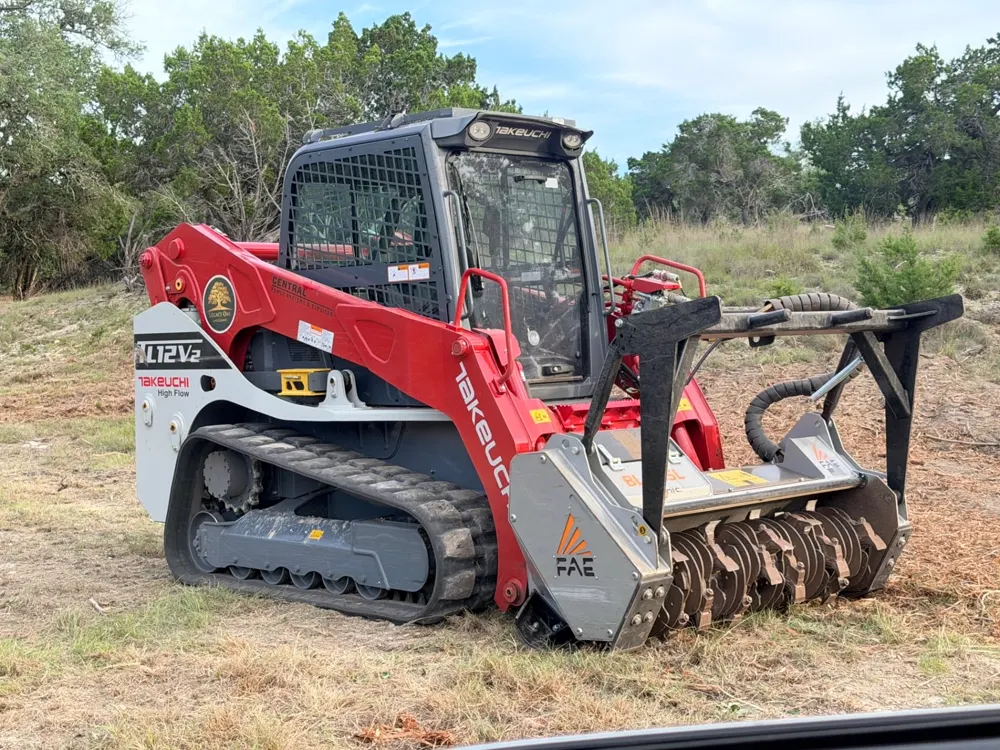
Our forestry mulching equipment removes targeted brush, cedar, and dead material with minimal ground disturbance.

4

Final Review & Maintenance Tips

We walk the cleared zones with you and provide guidance on maintaining defensible space year-round.

Service Areas

We serve 19 counties across the Texas Hill Country and Central Texas, including Hays, Blanco, Comal, Bandera, Kerr, Guadalupe, Burnet, Llano, Kendall, Gillespie, Caldwell, Bastrop, Real, Uvalde, Medina, Gonzales, Williamson, Travis, and Bexar Counties.

View all cities and service areas

What Wildfire Mitigation Is — And Why It Matters in the Hill Country

Wildfire mitigation — also called defensible space clearing or fuel reduction — is the strategic removal of combustible vegetation around homes, structures, and access routes to reduce the chance that a wildfire reaches your property and to give firefighters a safe place to defend it from. In the Texas Hill Country, where dense Ashe juniper (cedar) and prolonged drought have turned countless ranches into wildfire fuel beds, this is no longer optional planning — it's basic property protection.

Effective wildfire mitigation works in concentric zones around a structure. Zone 1 (0–5 feet from the home) is kept essentially fuel-free. Zone 2 (5–30 feet) removes ladder fuels — the brush and low limbs that let ground fires climb into tree canopies. Zone 3 (30–100+ feet) thins overall vegetation density. We follow the same principles the Texas A&M Forest Service and FIREWISE® program recommend.

You can learn more about these Hill Country land issues in our Hill Country Land Education resource.

Benefits Over the Alternatives

Versus doing nothing: a defensible space program dramatically reduces the probability that an approaching wildfire will reach your home — and gives fire crews a chance to actually save the structure. Versus DIY clearing with a chainsaw: professional forestry mulching crews finish in hours what would take a homeowner weeks, and we know which species to remove and which fire-resistant hardwoods to preserve. Versus burning brush piles: mulching eliminates the very piles that themselves become wildfire ignition sources.

Vegetation and Property Types We Handle

We target the high-risk fuel species: Ashe juniper (cedar), eastern red cedar, dense yaupon, accumulated dead wood, low live-oak limbs that create ladder fuel, and overgrown understory. We preserve fire-resistant species like mature live oaks, post oaks, and well-spaced hardwoods. Common projects: homes on wooded acreage, ranches with structures inside cedar breaks, HOA common areas, hunting cabins, barns and outbuildings, and access roads needing brush cleared on both sides.

What to Expect During the Project

We start with a free risk assessment — walking your property with you, mapping the defensible-space zones around each structure, identifying high-priority cedar and ladder fuels, and flagging trees to preserve. You receive a fixed project quote covering the full mitigation plan. On work day, our forestry mulchers grind the targeted vegetation in place, leaving a protective mulch layer. We finish with a walk-through and a simple maintenance plan so the cleared zones stay effective year over year.

Why Hill Country Property Owners Choose Us

Local, insured, and easy to work with — every job.

Texas Hill Country Based

Deep roots across Hays, Blanco, Comal & Travis counties.

Free Site Visits

No-obligation, on-site walk-throughs — we come to you and quote the work in person.

Project-Based Pricing

Fixed quotes for the whole job — no hourly meter, no surprise add-ons.

Licensed & Insured

Fully insured crews and equipment — your property is protected from day one.

Fast Response Time

Quick scheduling and same-week site visits across the Hill Country in most cases.

Frequently Asked Questions

Wildfire Mitigation — answers to the questions we hear most often.

What is defensible space and how much do I need?
Defensible space is the area around a structure where vegetation has been managed to slow or stop an approaching wildfire. Texas A&M Forest Service and FIREWISE® recommend at least 30 feet of well-maintained defensible space around any home in a wildfire-prone area, and 100+ feet on steep slopes or in heavy cedar. The 0–5 foot zone right against the home should be essentially fuel-free; the 5–30 foot zone should be free of ladder fuels; the 30–100+ foot zone should have thinned, well-spaced vegetation.
How does cedar removal reduce wildfire risk?
Ashe juniper (mountain cedar) is the #1 wildfire fuel in the Hill Country. It contains volatile oils that ignite easily, burns hot and fast, and grows in dense thickets that carry fire from the ground straight into the tree canopy — what fire crews call a 'crown fire.' Removing cedar within defensible-space zones breaks that fuel ladder, dramatically slows fire spread, and gives firefighters a chance to defend the structure. See our cedar removal page for more detail.
How often should I maintain my wildfire mitigation clearing?
A maintenance pass every 3–5 years keeps defensible space effective. Cedar seedlings will germinate from the seed bank, brush will regrow, and dead wood will accumulate — but maintenance work is much faster and cheaper than the original clearing because the heavy material is already gone. Annual self-inspection (and a quick brush-cutter pass on regrowth) bridges between professional maintenance visits.
Does wildfire mitigation clearing hurt native plants?
Done right, no — it helps them. Removing dense cedar lets native grasses (little bluestem, Indiangrass, sideoats grama) and wildflowers re-establish in soil they've been shaded out of for decades. We preserve mature live oaks, post oaks, and other fire-resistant hardwoods. The mulch layer left behind protects topsoil and gives seedlings of desirable species a chance to grow.
How much does wildfire mitigation cost in Texas?
$2,600 per day, plus tax — one flat rate across our Hill Country territory. In typical dense, hilly, and rocky terrain, we clear about half an acre a day, and up to 3 acres per day with flatter terrain and light density brush. Every property is walked and quoted as a fixed price before we start — no hourly meter, no surprises.
Is wildfire mitigation worth it in the Texas Hill Country?
Yes — emphatically. The Hill Country has had multiple major wildfires in recent decades (Bastrop Complex, Hidden Pines, Possum Kingdom, and many smaller incidents), and ongoing drought combined with mature cedar growth means the fuel load on most rural properties is at historic highs. A defensible-space program is by far the highest-impact investment a Hill Country property owner can make in structural fire protection.

Protect Your Property from Wildfire

Get a free assessment and quote for wildfire mitigation on your Texas Hill Country property.